Compression springs are used across a wide range of mechanical systems to absorb force, maintain spacing, or return components to a defined position. While the basic function is the same, there is a clear distinction between standard compression springs and heavy duty compression springs. The difference lies primarily in load capacity, design parameters, and intended application.
Understanding these differences is essential when selecting the right spring for a given mechanical requirement.
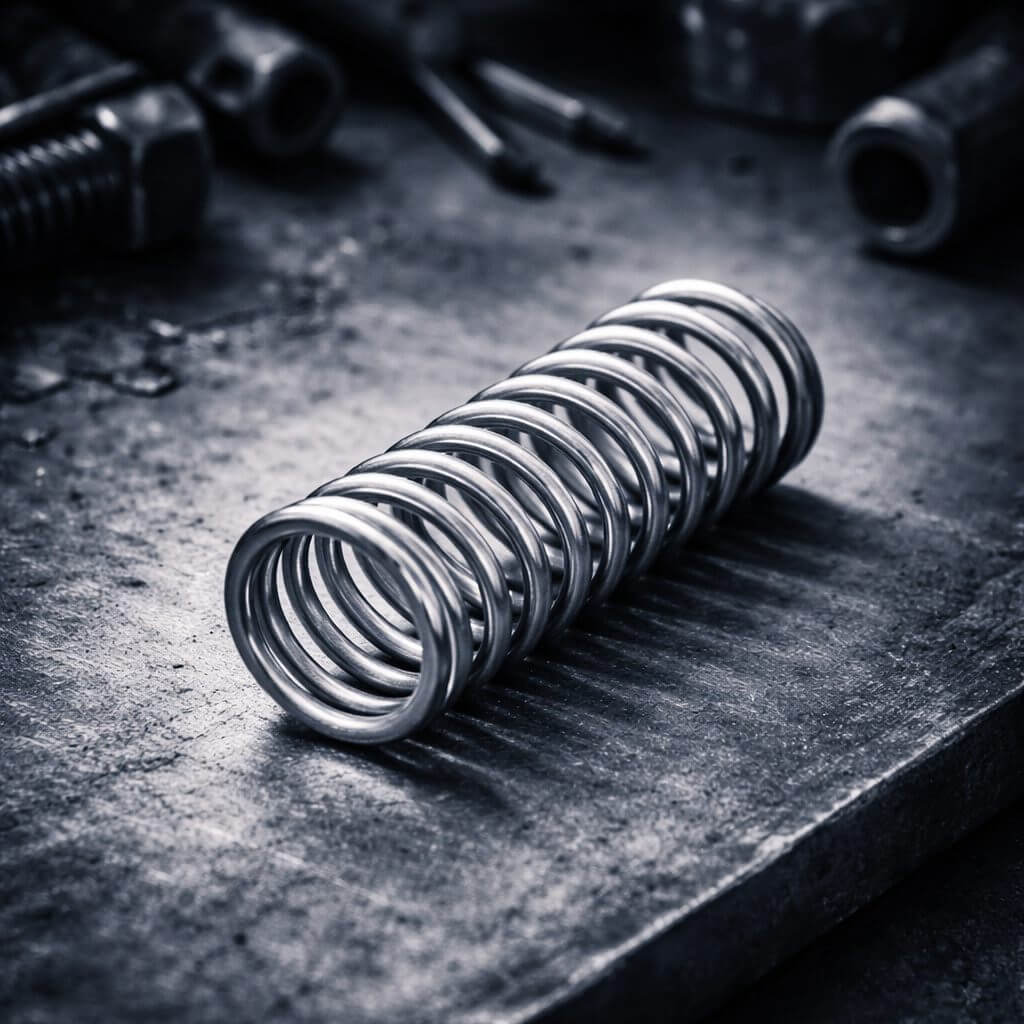
Basic function of compression springs
A compression spring works by resisting an applied load. When compressed, it stores mechanical energy and releases it when the load is removed. This principle is used in both light-duty and heavy-duty systems, from small mechanical assemblies to large industrial machines.
The performance of a compression spring depends on several factors, including wire diameter, coil geometry, material choice, and surface treatment. These parameters determine how much force the spring can withstand and how it behaves over repeated load cycles. This is why almost all Heavy Duty compression springs are considered custom springs.
Standard compression springs
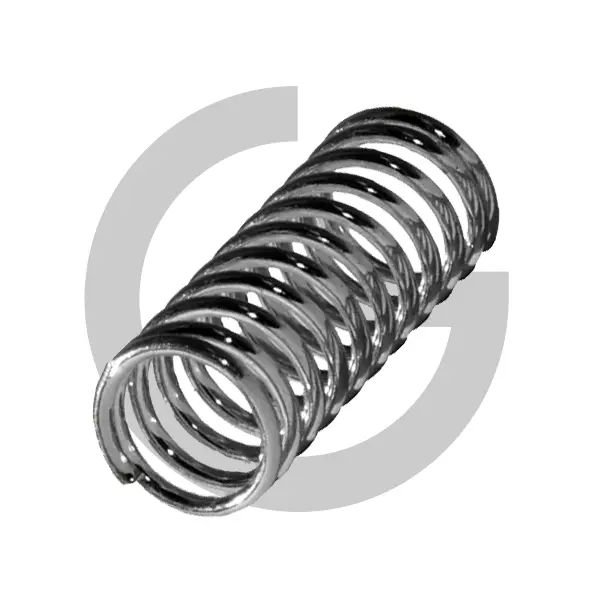
Standard compression springs are typically designed for moderate loads and general mechanical applications. They are widely used in assemblies where space is limited and the forces involved are predictable and relatively low.
These springs are often found in consumer products, light industrial equipment, locking mechanisms, and precision assemblies. Their design focuses on consistent force, reliable return movement, and efficient use of material.
Because standard compression springs are not exposed to extreme stress, they can often be produced with thinner wire diameters and shorter free lengths. This makes them suitable for applications where compact design and controlled movement are more important than maximum load capacity.
Heavy-duty compression springs
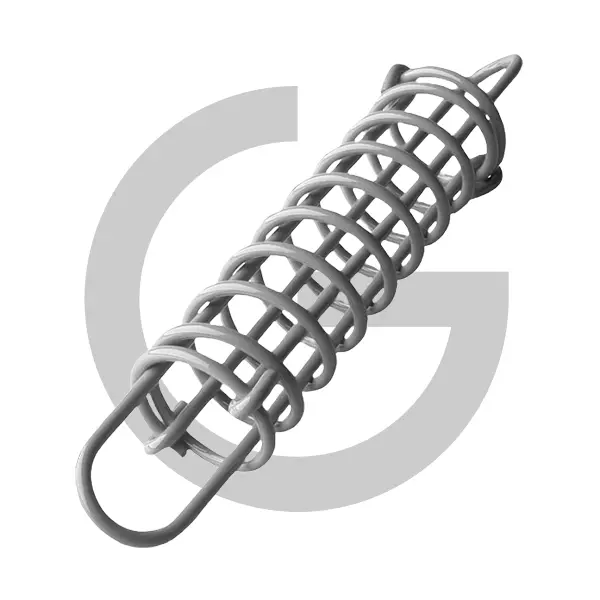
Heavy-duty compression springs are developed for applications where high forces, repeated impact, or continuous stress are unavoidable. Compared to standard compression springs, they are built with thicker wire, larger coil diameters, or reinforced geometries to handle significantly higher loads.
These springs are commonly used in industrial machinery, marine equipment, automotive systems, and heavy mechanical installations. In such environments, the spring must maintain its performance despite vibration, shock loads, and long operating cycles.
The design of a heavy-duty compression spring prioritises durability and structural stability. Material selection often includes higher-strength spring steels or specialised alloys to reduce the risk of deformation or fatigue under load.
Recommended reading – Use of clock springs in industrial applications
Load capacity and durability
The most direct difference between standard and heavy-duty compression springs is load capacity. While a standard compression spring is engineered to operate within a defined and moderate force range, a heavy-duty compression spring is designed to absorb and release substantially higher energy levels.
This difference also affects durability. Heavy-duty springs are expected to maintain their mechanical properties over long periods, even under demanding conditions. As a result, they are often subjected to more extensive testing and stricter tolerances during production.
Standard compression springs, on the other hand, offer sufficient durability for applications where loads are stable and operating conditions are controlled.
Material and manufacturing considerations
Material choice plays a key role in distinguishing between the two types. Standard compression springs are often manufactured from conventional spring wire grades suitable for general-purpose use. Heavy-duty compression springs may require oil-tempered wire, stainless steel, or advanced alloys to ensure strength and resistance to fatigue.
Manufacturing processes also differ. Heavy-duty springs may involve additional surface treatments, such as shot peening, to improve fatigue life. Dimensional control and documentation are particularly important, as even small deviations can affect performance under high load.
Selecting the right solution
Choosing between a standard compression spring and a heavy-duty compression spring depends on the mechanical requirements of the application. Factors such as maximum load, available installation space, expected number of cycles, and environmental conditions must all be considered.
Using a standard compression spring in a high-load application can lead to premature wear or failure. Conversely, specifying a heavy-duty compression spring for a low-load system may result in unnecessary material use and reduced efficiency.
A careful evaluation of operating conditions ensures that the spring performs reliably throughout its intended service life.
Compression springs in industrial design
In modern mechanical design, both standard and heavy-duty compression springs play an important role. Standard springs support precision and compact solutions, while heavy-duty springs enable stable operation in demanding systems where safety and durability are critical.
By understanding the functional and structural differences between these spring types, engineers and designers can make informed decisions that support long-term performance and system reliability.